
one way glass window
Omkostninger ved Mikrometre En Nærmere Beskrivelse Mikrometre er essentielle værktøjer i mange industrier, herunder maskinbygning, elektronik og præcisionsmåling. Disse instrumenter muliggør måling af små dimensioner med ekstrem præcision, hvilket gør dem uundgåelige i kvalitetskontrol og produktionsprocesser. Men når vi taler om mikrometre, er det vigtigt at overveje omkostningerne forbundet med disse instrumenter, da de kan variere betydeligt afhængigt af flere faktorer. Omkostninger ved Mikrometre En Nærmere Beskrivelse Desuden er typen af mikrometer også en afgørende faktor for omkostningerne. Der findes forskellige typer mikrometre, såsom udvandrere, indvandrere og digitale mikrometre. Digitale mikrometre er normalt dyrere end deres analoge modparter, men de tilbyder fordelene ved hurtigere aflæsninger og lettere tolkning af data. Når man vælger en mikrometer, skal man overveje, hvilken type der er mest hensigtsmæssig for ens specifikke behov, hvilket kan have stor indflydelse på det samlede budget. cost of micrometer Kvaliteten af mikrometeret spiller også en væsentlig rolle i dets omkostninger. Højpræcisionsmikrometre fra anerkendte producenter vil ofte have en højere pris, men de tilbyder også en bedre nøjagtighed og holdbarhed. Det er vigtigt at finde en balance mellem omkostninger og kvalitet, da en lavere pris ofte kan betyde kompromis med nøjagtigheden, hvilket kan føre til fejlmålinger og potentielt kostbare konsekvenser i produktionen. En anden faktor, der spiller ind, er det specifikke anvendelsesområde for mikrometeret. Hvis det kræves til mere specialiserede målinger, kan der være behov for specialdesignede mikrometre, som ofte har en højere pris. For eksempel, hvis man arbejder inden for flyindustrien eller medicinalindustrien, hvor ekstrem præcision er afgørende, vil omkostningerne til mikrometre være højere på grund af de strengere krav til kvalitet og præcision. Det er også værd at nævne, at vedligeholdelsen af mikrometeret kan være en yderligere omkostning. For at sikre præcise målinger kræver mikrometre regelmæssig kalibrering og vedligeholdelse. Omkostningerne ved kalibrering kan variere afhængigt af, hvor ofte det er nødvendigt, og om det udføres internt eller eksternt. At investere i korrekt vedligeholdelse kan dog forlænge levetiden for mikrometeret og sikre, at det fungerer optimalt. Afslutningsvis, når man overvejer omkostningerne ved mikrometre, er det vigtigt at se på de forskellige faktorer, der kan påvirke prisen – fra materialer og typer til kvalitet og vedligeholdelse. Det er vigtigt at finde det rigtige mikrometer, der passer til ens specifikke behov og budget. Kvalitet har ofte en pris, men det er ofte en værdifuld investering for at sikre præcise målinger og dermed højere kvalitet i det endelige produkt. At forstå omkostningerne forbundet med mikrometre kan hjælpe virksomheder med at træffe informerede beslutninger og optimere deres måleprocesser.
about
one way glass window
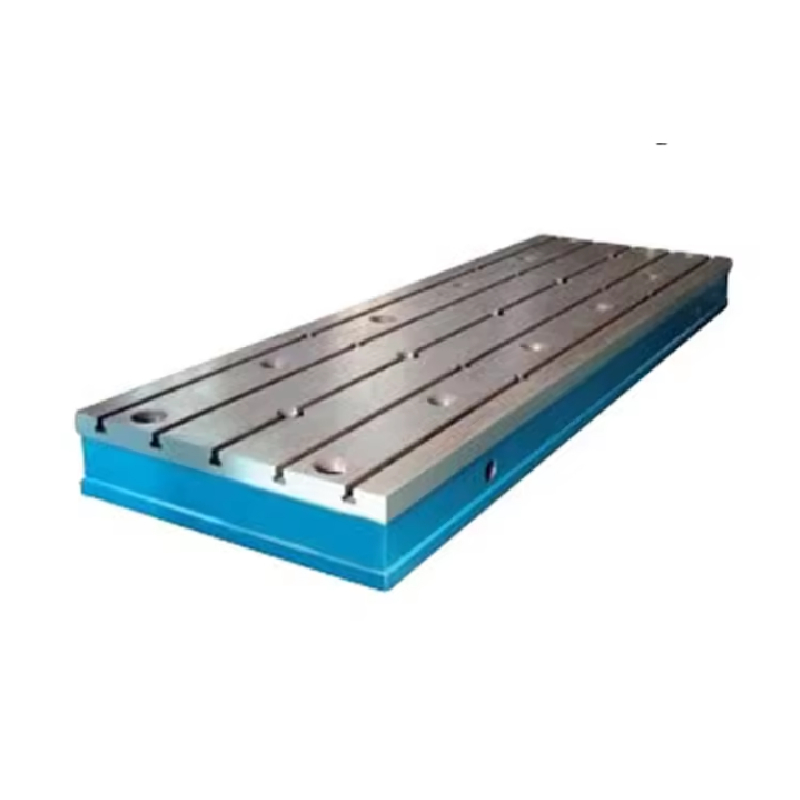
The Importance of Metal Table Fabrication in Modern Industries Metal table fabrication has become increasingly vital in various sectors, from construction to manufacturing. The process involves cutting, shaping, and assembling metal components to create functional and aesthetically pleasing tables. This article explores the significance of metal table fabrication, detailing its benefits, techniques, and applications. The Significance of Metal Tables Metal tables are favored for their durability, strength, and versatility. Unlike tables made from wood or plastic, metal tables can withstand heavy loads and harsh environments. This property makes them ideal for industries such as manufacturing and hospitality, where tables must endure daily wear and tear. Moreover, metal tables are resistant to corrosion, making them suitable for outdoor use or in moist environments. Benefits of Metal Table Fabrication 1. Customization One of the primary advantages of metal table fabrication is the ability to customize designs according to specific needs. Manufacturers can create tables in various sizes, shapes, and finishes to suit the particular requirements of the project. For instance, an architectural firm might need a sleek, modern table for a corporate office, while a restaurant may require robust tables that can accommodate large groups. 2. Strength and Durability Metal fabricated tables have a longer lifespan compared to their wooden counterparts. They can endure harsh conditions and are less susceptible to cracking, warping, or pest infestations. This durability reduces the need for frequent replacements, leading to cost savings in the long run. 3. Aesthetic Appeal Modern metal table fabrication techniques allow for intricate designs and finishes. Tables can be polished, painted, or coated in various colors, making them suitable for diverse design aesthetics . Their industrial look is often embraced in contemporary interiors, adding a touch of sophistication. 4. Eco-Friendly Options With growing environmental concerns, many manufacturers are focusing on sustainable practices. Metal is recyclable, and the fabrication process can utilize recycled materials. This approach not only reduces waste but also appeals to eco-conscious consumers. metal table fabrication Techniques of Metal Table Fabrication The fabrication process can involve several techniques, including - Cutting Precision cutting techniques, such as laser cutting or water jet cutting, ensure that metal components are shaped accurately with minimal waste. - Bending Metal sheets can be bent using press brakes or roll formers to achieve the desired angles and curvature for the table design. - Welding This technique joins different metal parts together, creating a strong and durable structure. Different welding methods, such as MIG or TIG welding, can be employed depending on the materials and design complexities. - Finishing After fabrication, tables undergo various finishing processes, such as powder coating or plating, to enhance their appearance and protect against corrosion. Applications of Metal Tables The applications of metal tables are vast. In the industrial sector, heavy-duty tables are crucial for workstations, assembly lines, and storage areas. In commercial settings, cafes and restaurants often opt for metal tables for their resilience and ease of maintenance. Additionally, metal tables are increasingly being incorporated into residential spaces, particularly in home offices and dining areas, providing a modern, sleek aesthetic. Conclusion In summary, metal table fabrication plays a crucial role in meeting the demands of various industries. With benefits ranging from customization and durability to aesthetic appeal and eco-friendliness, metal tables have become a preferred choice in many settings. As technology advances, the techniques and applications of metal table fabrication will continue to evolve, further solidifying its importance in modern manufacturing and design. Whether for industrial use or stylish home decor, the impact of metal table fabrication is undeniable and will continue to shape the future of furniture manufacturing.
-

High quality industrial productsagement

High quality industrial products
View Details -

Meet the diverse needs of customers

Meet the diverse needs of customers
View Details -

Strict quality control

Strict quality control
View Details -

Top raw materials

Top raw materials
View Details -

Trusted supplier

Trusted supplier
View Details
Our application

news and information
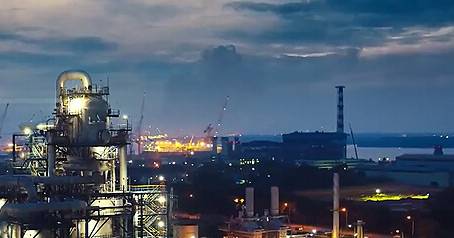
vibration damping pads for heavy machinery
Vibration Damping Pads for Heavy Machinery Enhancing Performance and Longevity In the world of heavy
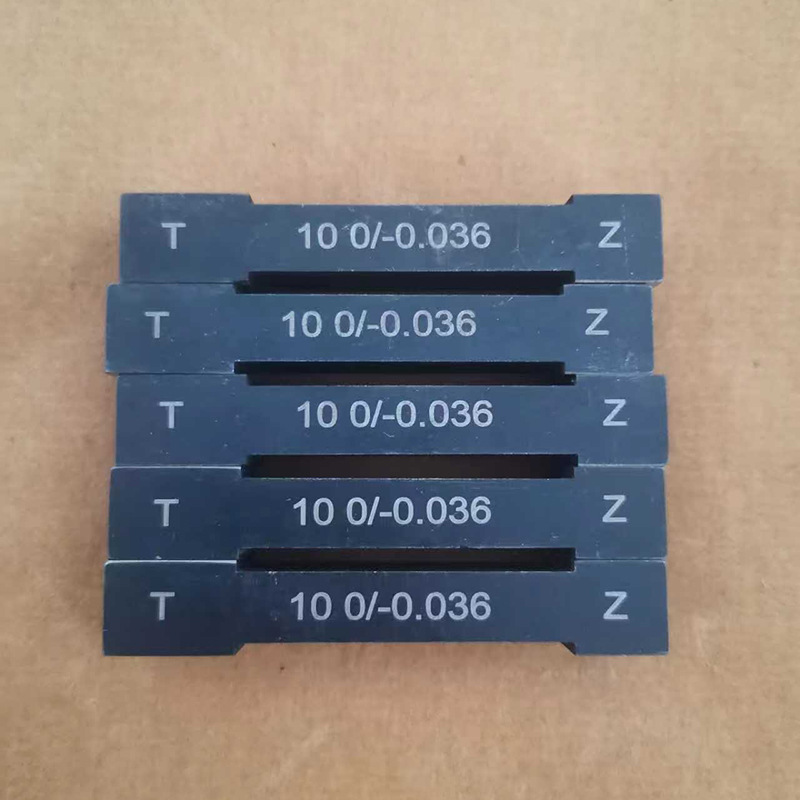
V-Block Technology Revolutionizing Manufacturing Precision and Efficiency
The Paradox of V Block V Block Navigating the Dual Realities of Virtual and Physical Worlds In the
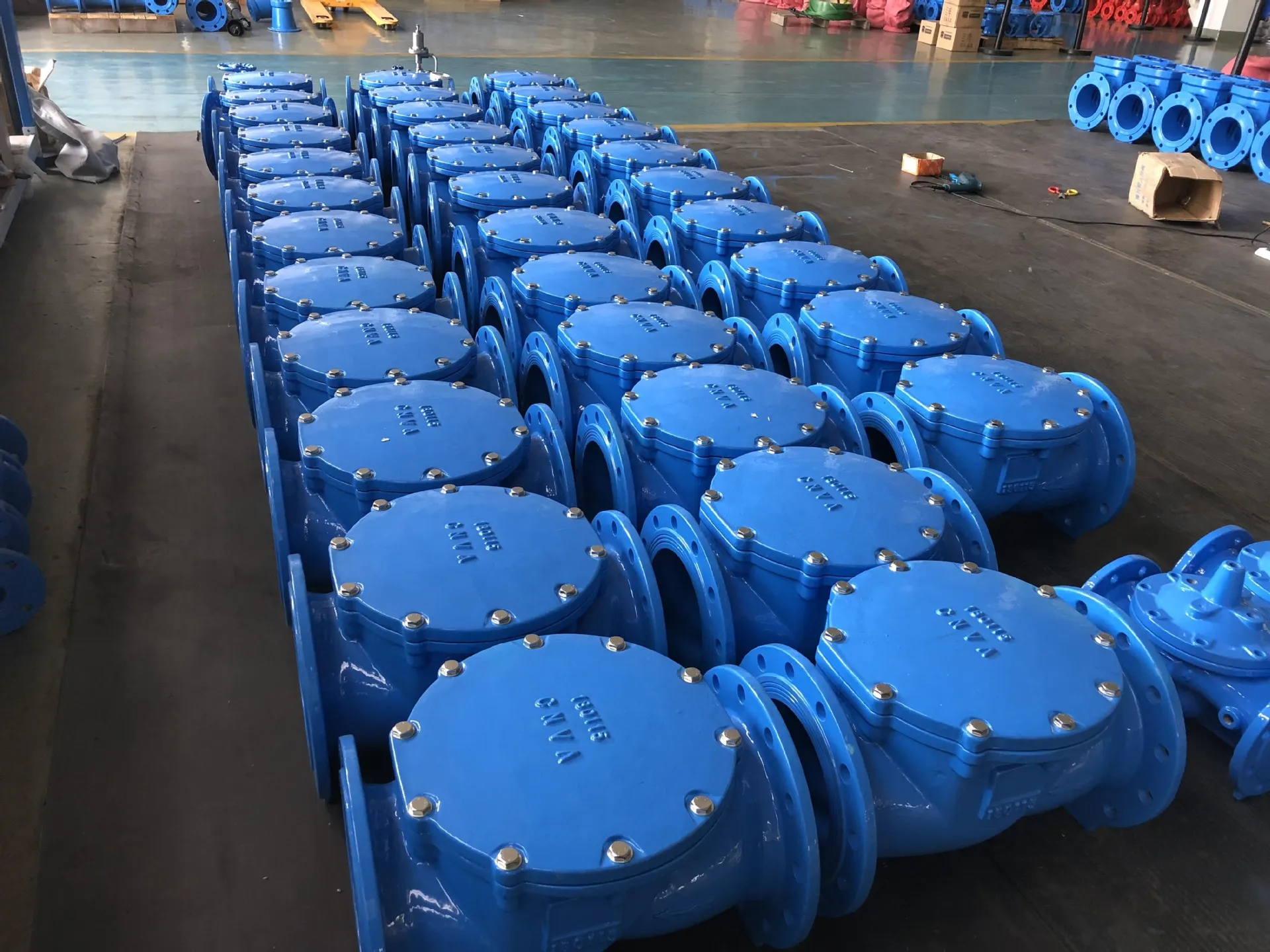
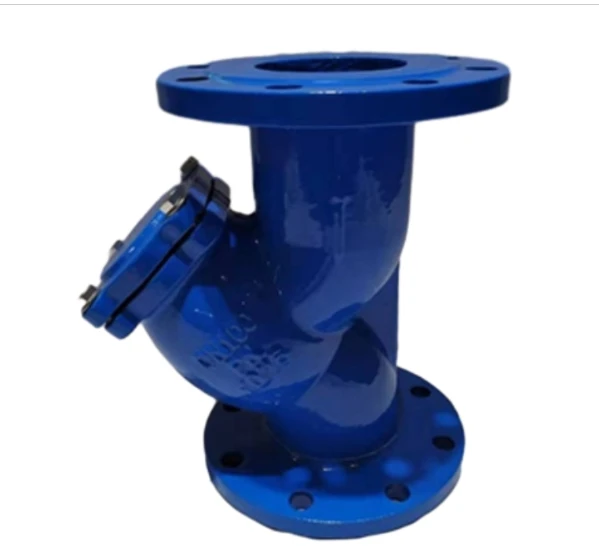
water main check valve
Understanding the Importance of Water Main Check Valves Water supply systems are the lifeblood of an
 English